
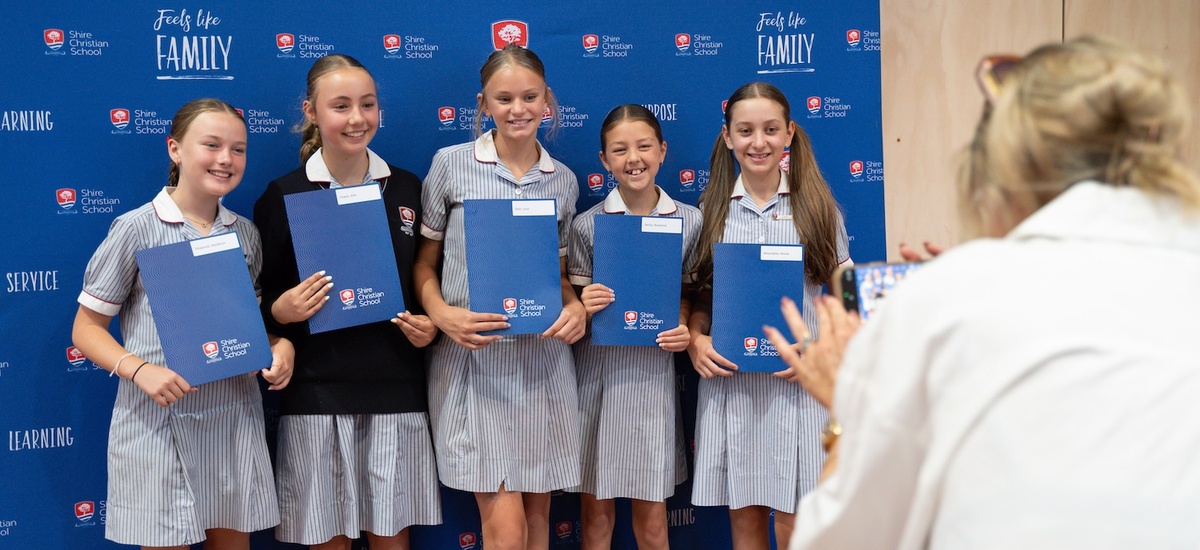
From the Principal
Strong NAPLAN results
Strong NAPLAN results
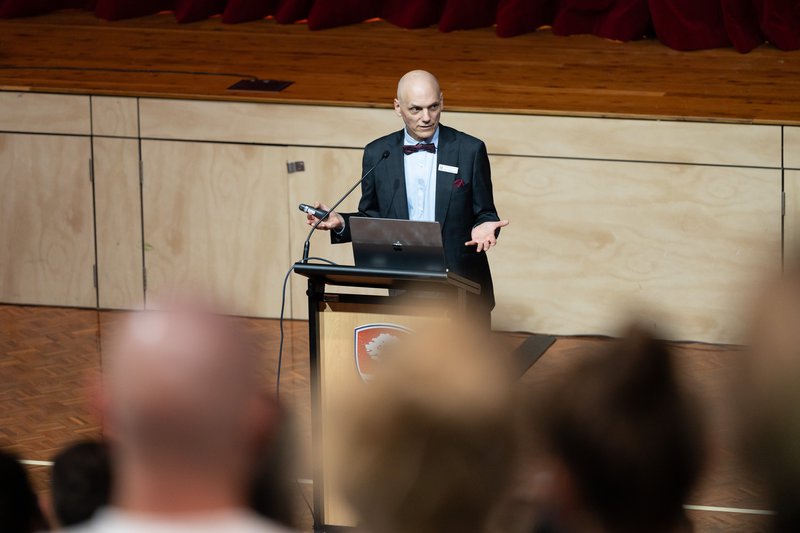
I have noticed NAPLAN popping up again in the news as more data was released to the public recently. NAPLAN was never intended to be a school ranking system or something a school should market or brag about – it is designed as an internal diagnostic for schools to identify and target areas of learning need for individuals or groups of students. However, I will provide some overall feedback, seeing as it is a topic of current discussion.
Important School Notices
From the Deputy Principal
Compass
Compass

The move to Compass this term has been a big shift for our students, staff and parent community. Thank you for your patience and for engaging with the new management system and responding to absence messages and event permissions.
Each week we have been making improvements and amendments to improve the data and options available.
From the Academic Head
Growing in Faith and Fellowship at Chupa Chup CRU
Growing in Faith and Fellowship at Chupa Chup CRU
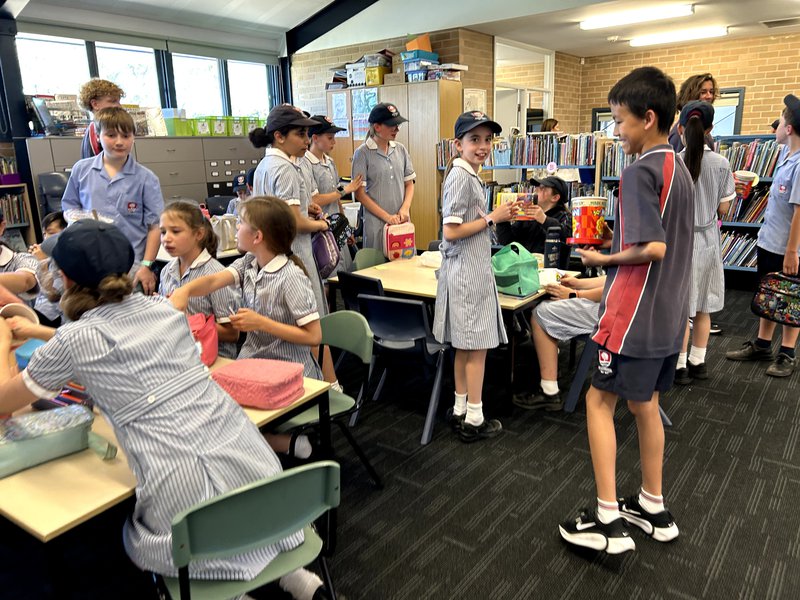
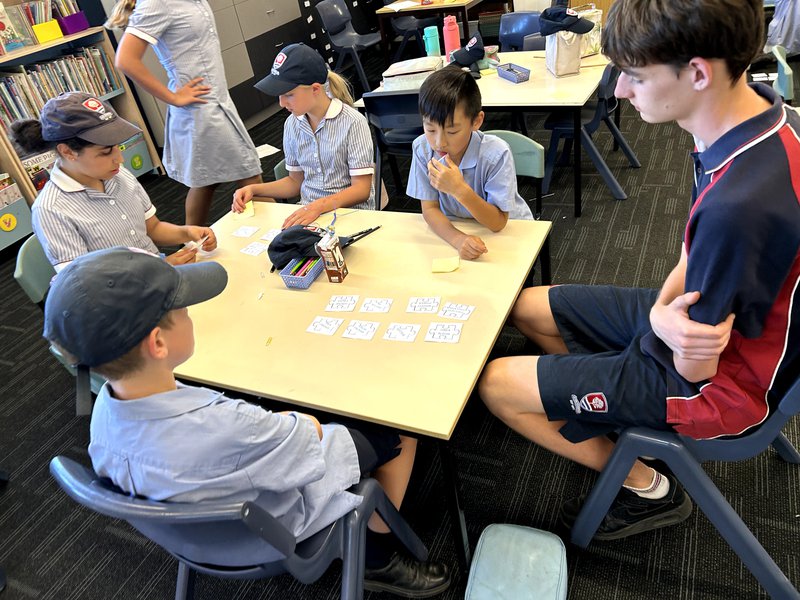
This term, several of our Years 5 and 6 students have been enjoying Friday lunchtimes learning about Jesus in the IRC. We call it “Chupa Chup CRU” as we follow the CRU Program, similar to what happens in Secondary School, and also because whilst we pray, we enjoy having Chupa Chups.
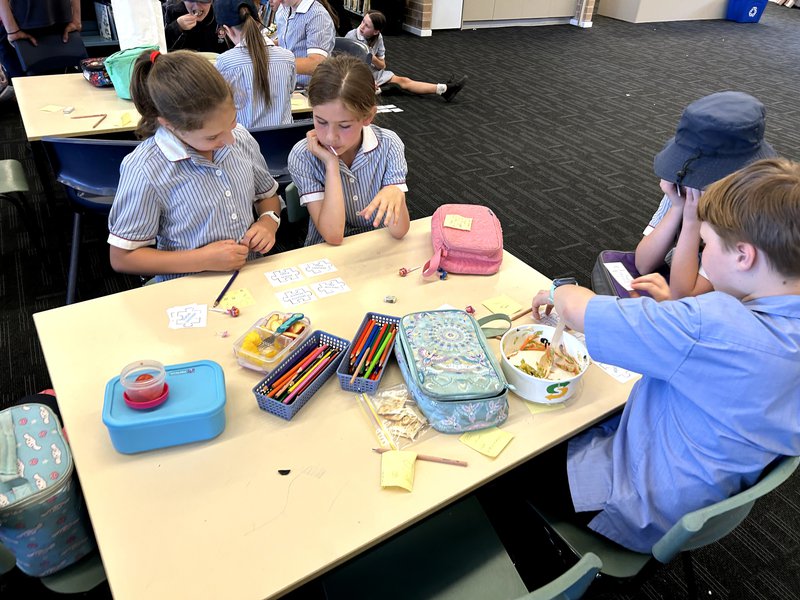
From the Head of Junior School
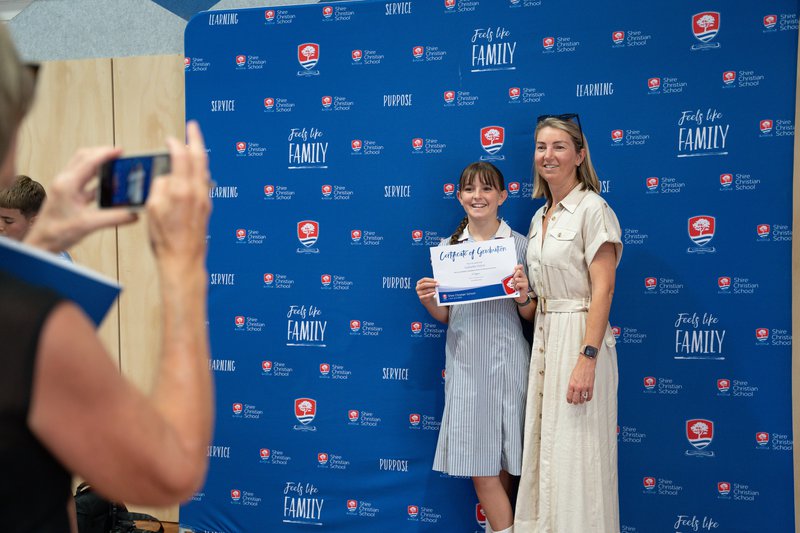
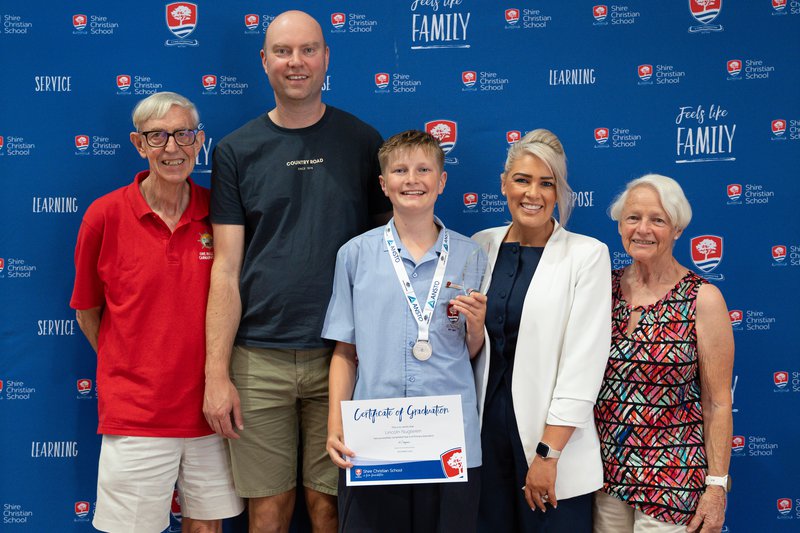
Year 6 Graduation Celebration
Year 6 Graduation Celebration
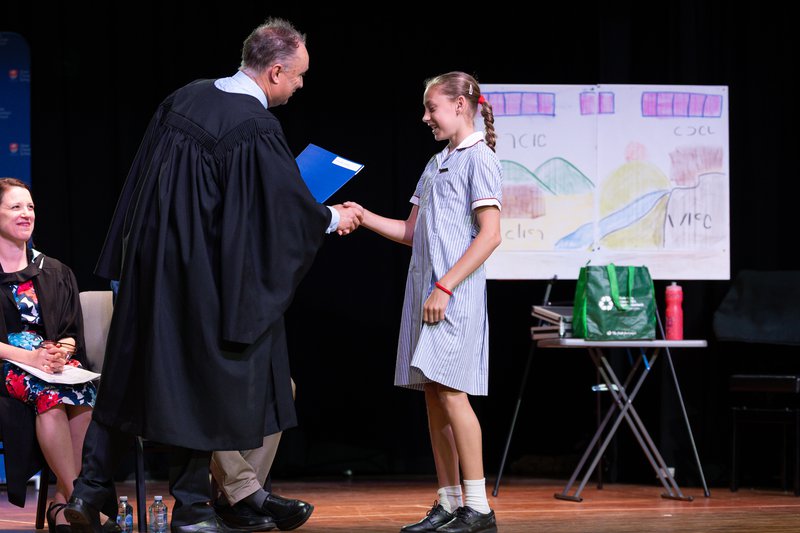
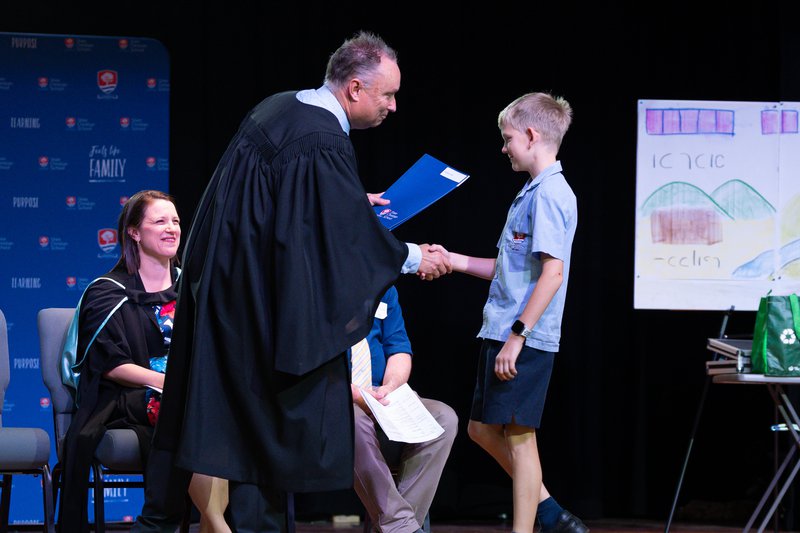
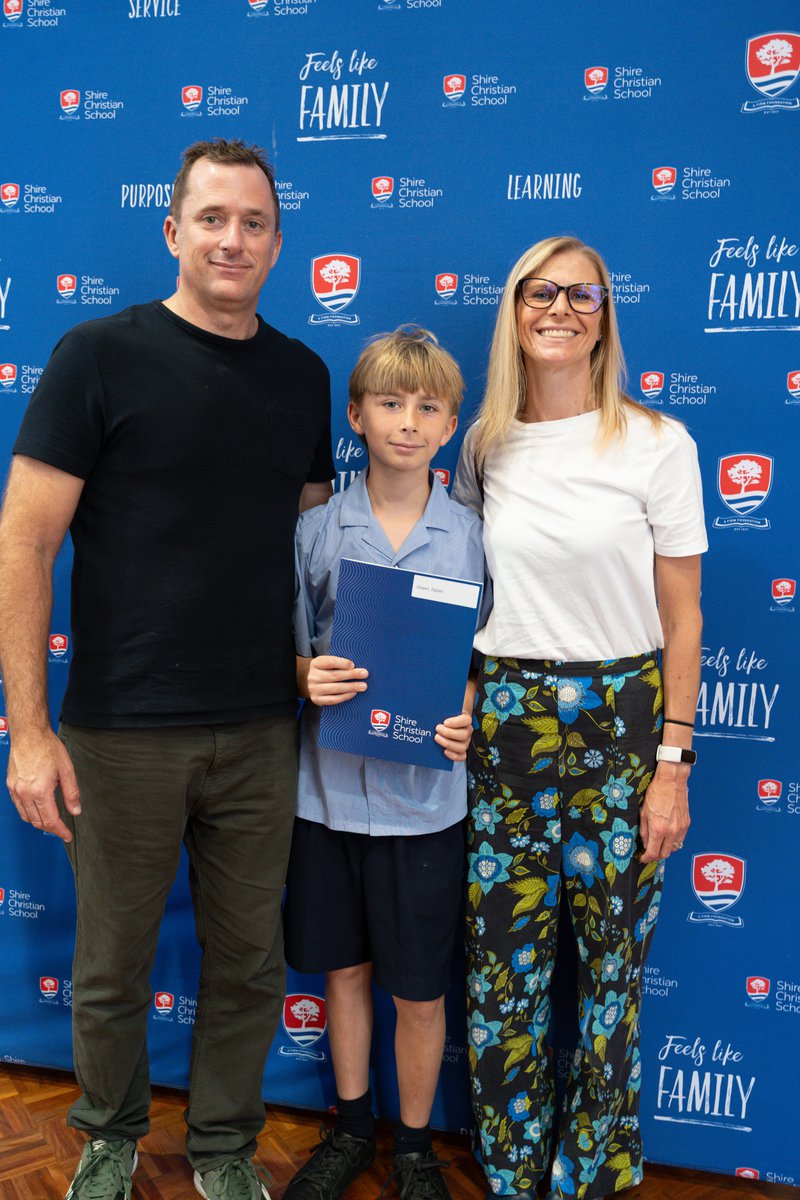
Our Year 6 students thoroughly enjoyed their celebration evening on Tuesday and are to be commended for their excellent behaviour.




Junior School Fun Day! GLOW DISCO!
Junior School Fun Day! GLOW DISCO!

Our final day for 2025 will be Wednesday 10 December, when we will celebrate our Junior School Fun Day. Please complete the following Google Form to assist us with catering and to indicate if you are available to volunteer during this time.
2026 Uniform
2026 Uniform

“And you shall call His name Jesus, for He will save His people from their sins.”(Matthew 1:21)
As we reach for the box of Christmas decorations and twinkling fairy lights, we pray that we might also spend time reflecting on the precious gift of Jesus to us. Jesus, God’s only Son, whose birth was all part of God’s salvation plan, to restore us into a relationship with himself. May we hold fast to this central message of God’s grace, forgiveness and unmeasurable love that is proclaimed at Christmas time.

From the Head of Secondary School
Global Awareness Week
Global Awareness Week

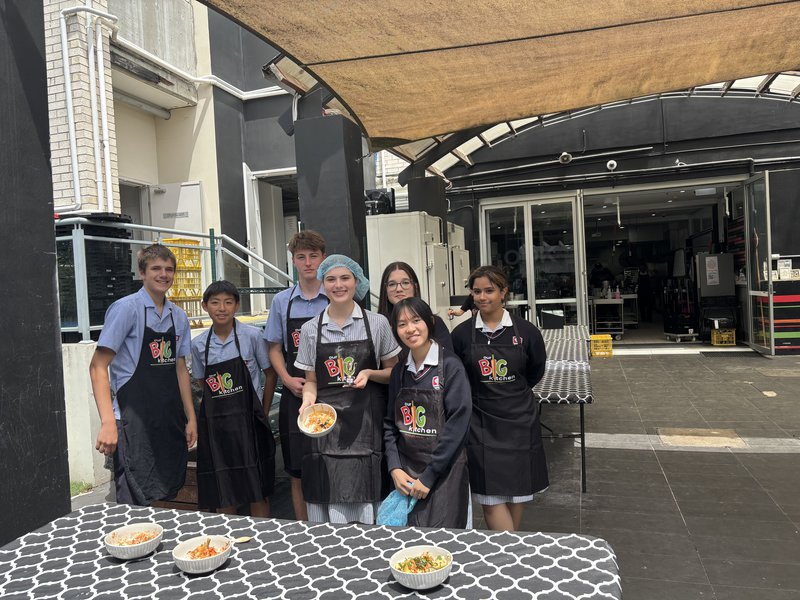
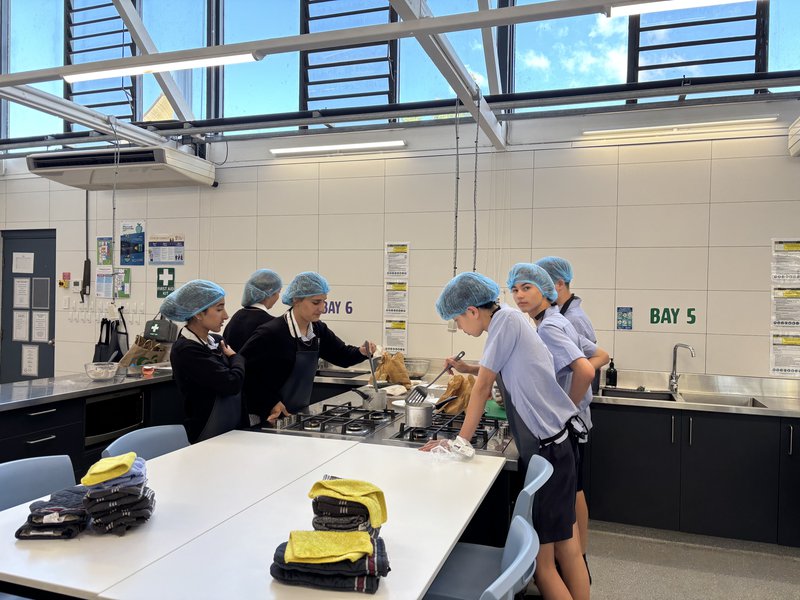
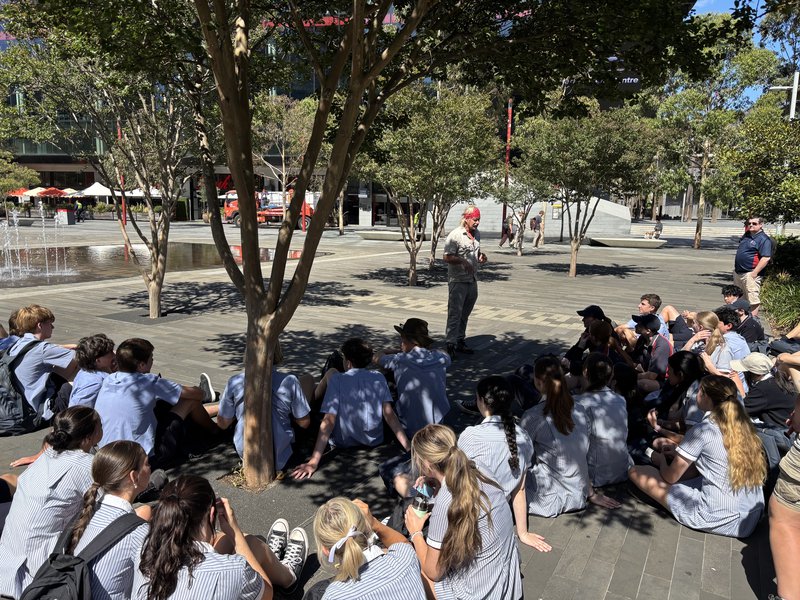
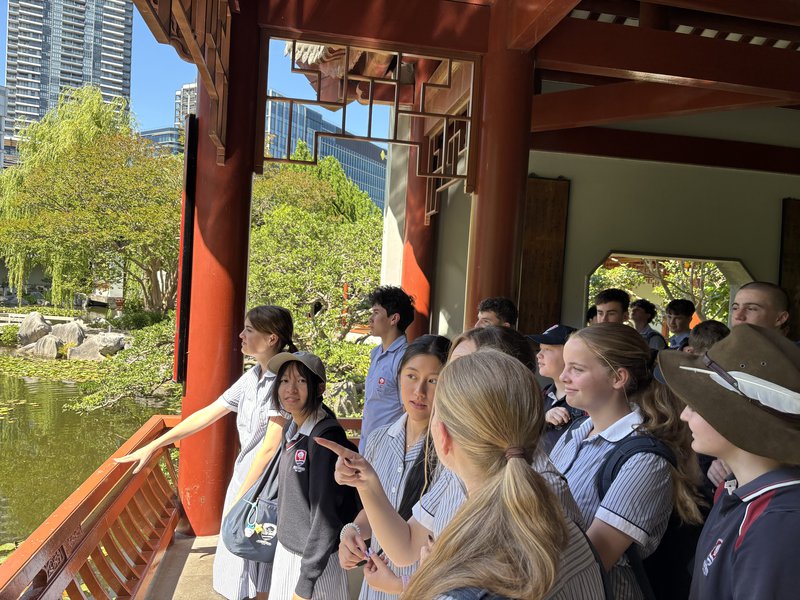
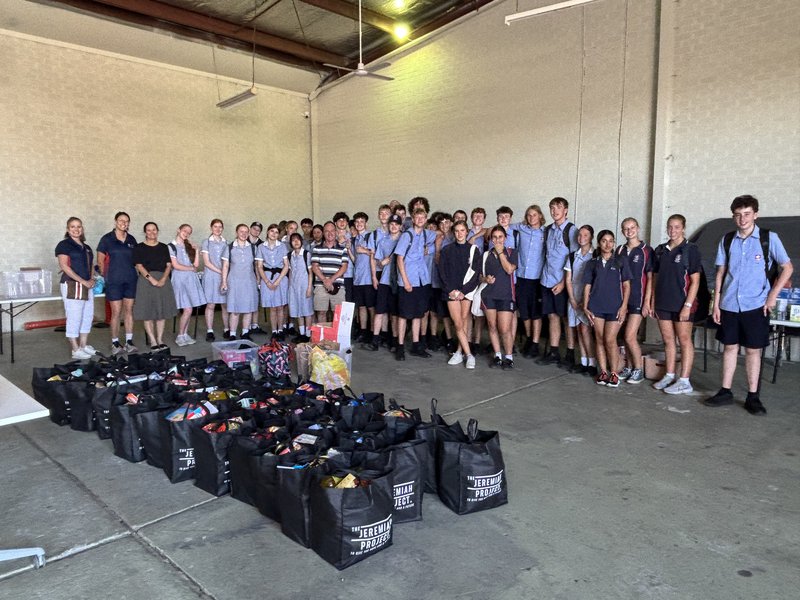
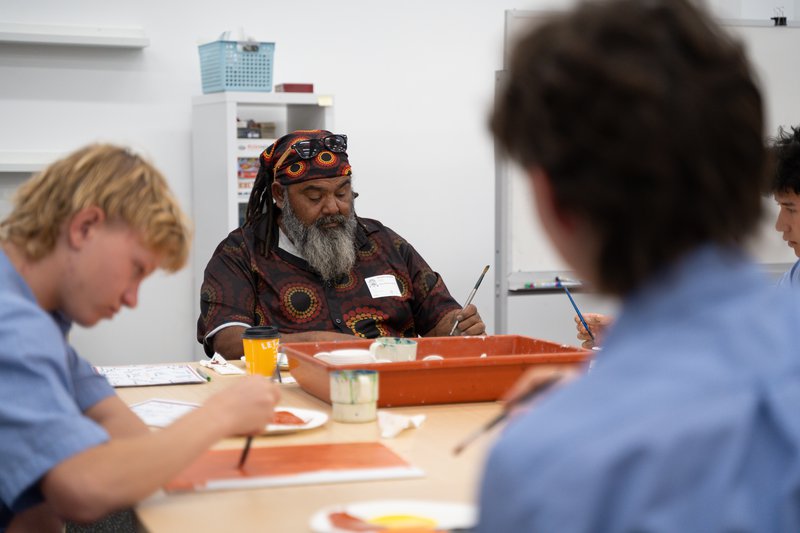
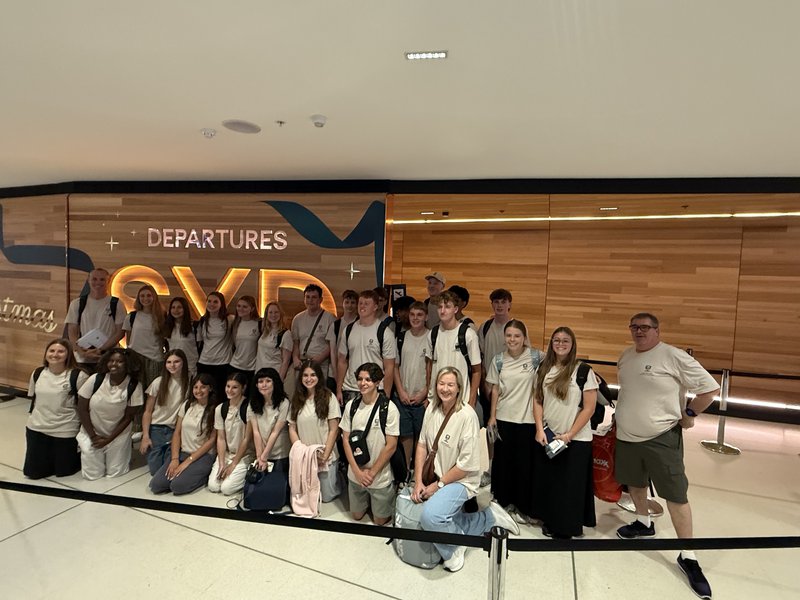
Our Year 10 students have participated in Global Awareness this week. We have had teams travelling to Vietnam and Cambodia, Brewarrina and Sydney.

Uniform Reminder
Uniform Reminder

While I am sure you are aware of how many days there are to Christmas, I am wondering if you know a related fact - How many days are there until Back to School supplies start to appear in the shops? It is probably the same number of days until the Hot Cross Bun appears as well.
Parents of students in Year 7 to 9, and our new Year 12, will have received notes regarding Picnic Days for the end of the term. If you could give permission through the Compass application as soon as possible that would be helpful for our planning processes.
I would like to take this opportunity to thank everyone who has supported me during my first year in this role. I have learnt a lot throughout the year and I am really looking forward to 2026. I do pray that you and your families have the chance to recharge over the break while reflecting on Christmas and all that God has done for us.
Mr David Collins
Head of Secondary School
News
Chloe's work selected for Class of '25 Exhibition at Hazelhurst Gallery
Chloe's work selected for Class of '25 Exhibition at Hazelhurst Gallery

Year 12 Visual Arts student Chloe Tam has been selected for the Class of '25 Exhibition at Hazelhurst at the end of this year.
Celebrating the 2025 Nathan Barry Prize for Evangelism
Celebrating the 2025 Nathan Barry Prize for Evangelism
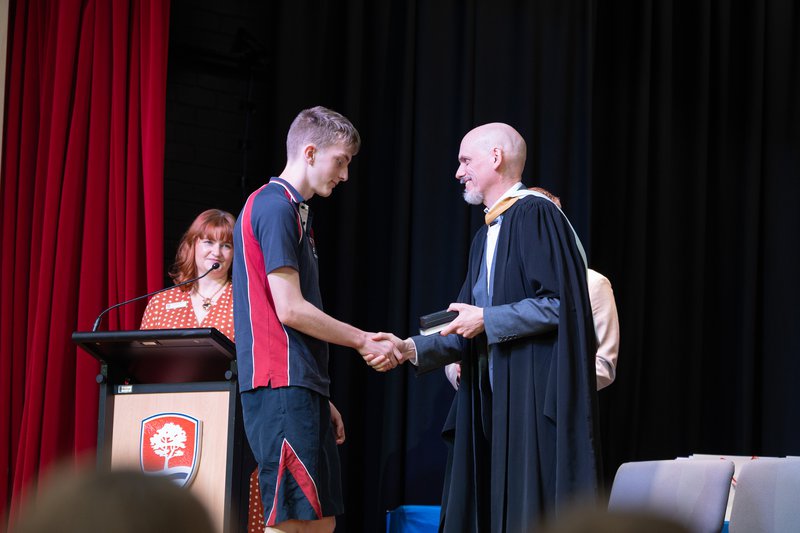
This year, we were honoured to present the Nathan Barry Prize for Evangelism to two Year 10 students, Amos Miller and Alana Young, who have consistently demonstrated a deep love for Jesus and a desire to see others come to know Him as their Lord and Saviour.
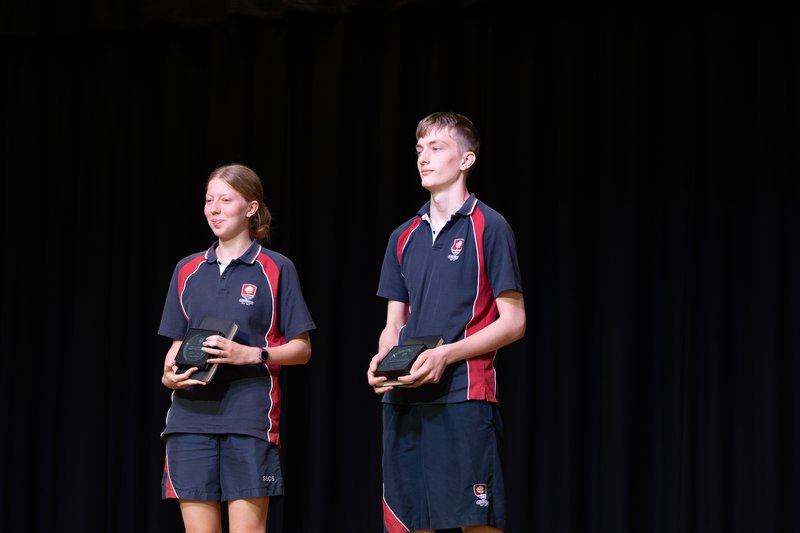
Celebrating the 2025 Greg Smith Award Recipient
Celebrating the 2025 Greg Smith Award Recipient
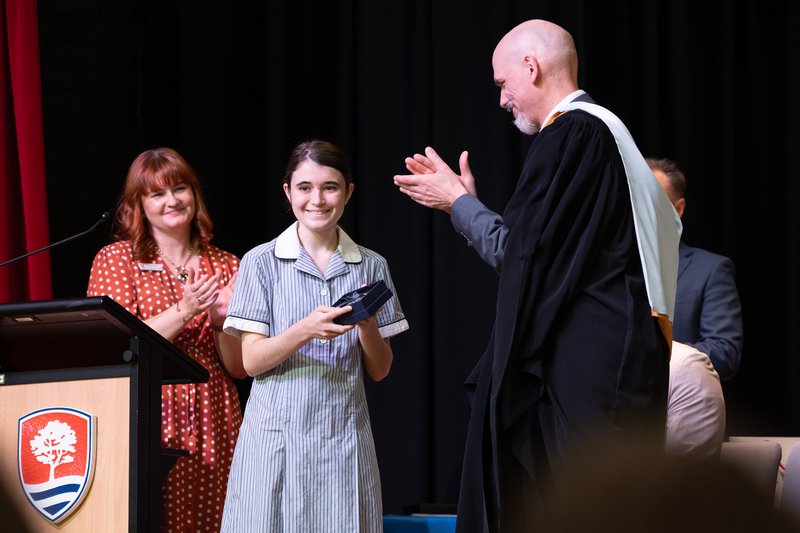
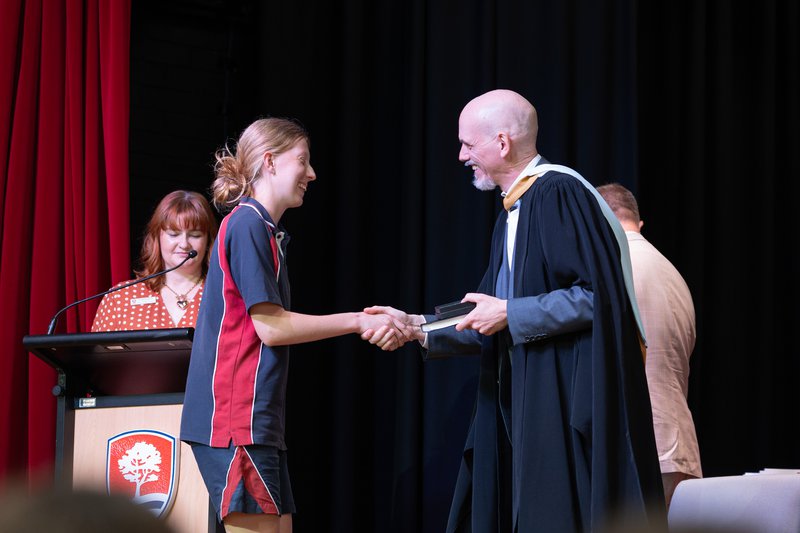
The 2025 Greg Smith Award was presented to Year 9 student Holly Honeyman, honouring the memory of Mr Greg Smith, Head of Secondary from 2016 until his passing in 2020. This award recognises a student who demonstrates Christian character, a love for learning, perseverance and positivity in the face of adversity.
Update: Elliana's nomination for ARTEXPRESS successful!
Update: Elliana's nomination for ARTEXPRESS successful!

We’re proud to congratulate Elliana Clarke, whose incredible artwork was nominated for the HSC Showcase, ARTEXPRESS, and now has been selected. Take a look at her outstanding work in the video above.
Year 10 Steps Into Others’ Shoes – Beyond These Walls
Year 10 Steps Into Others’ Shoes – Beyond These Walls
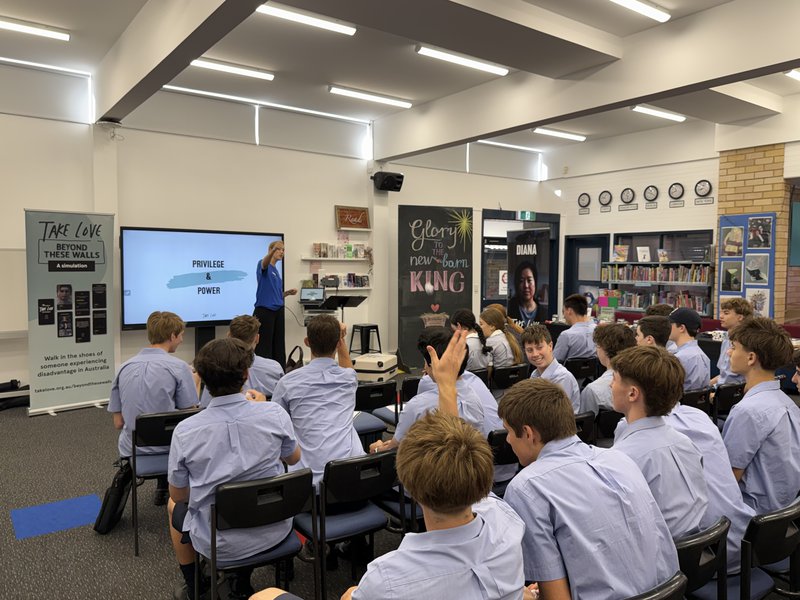
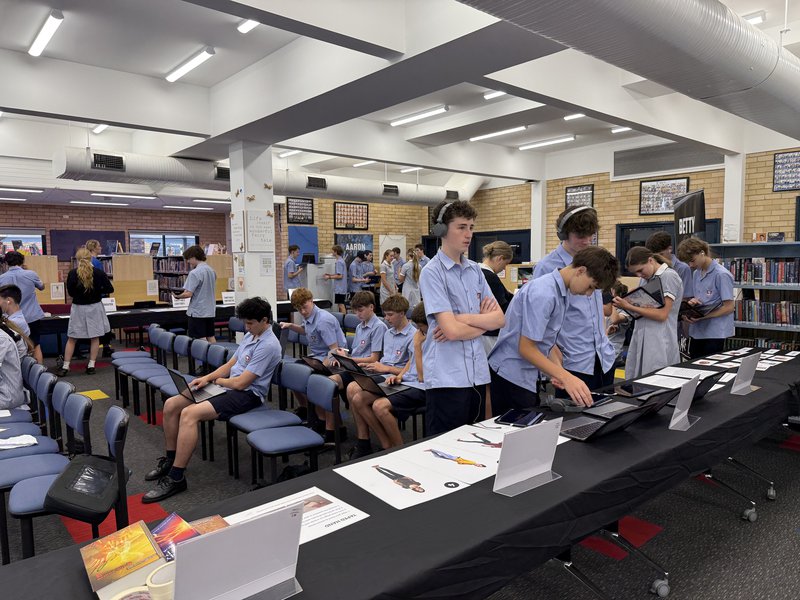
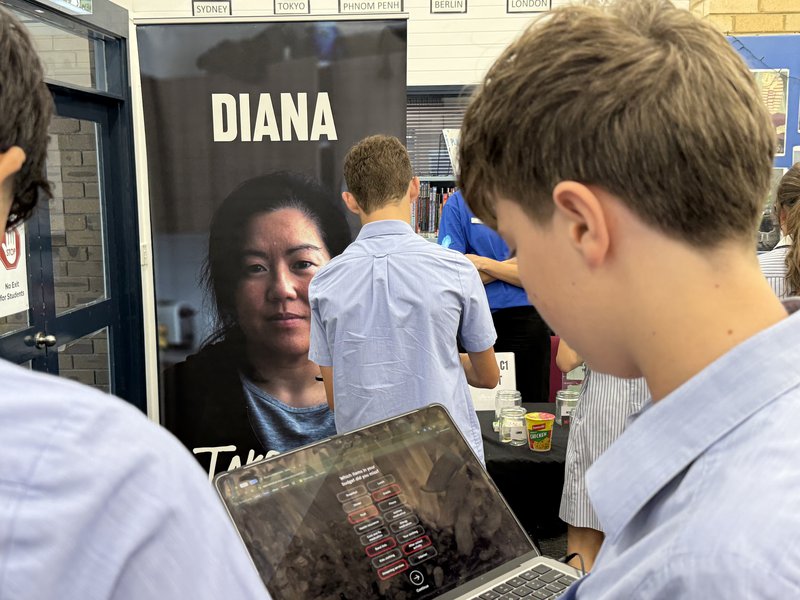
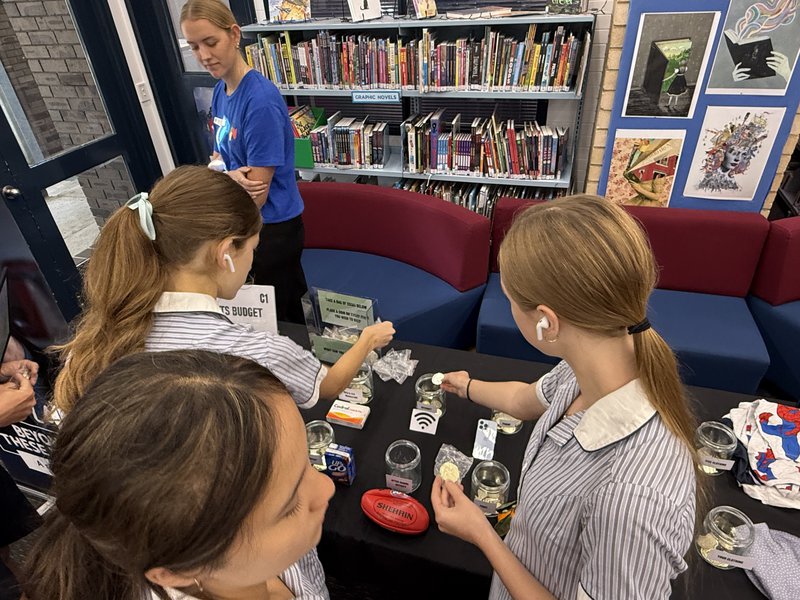
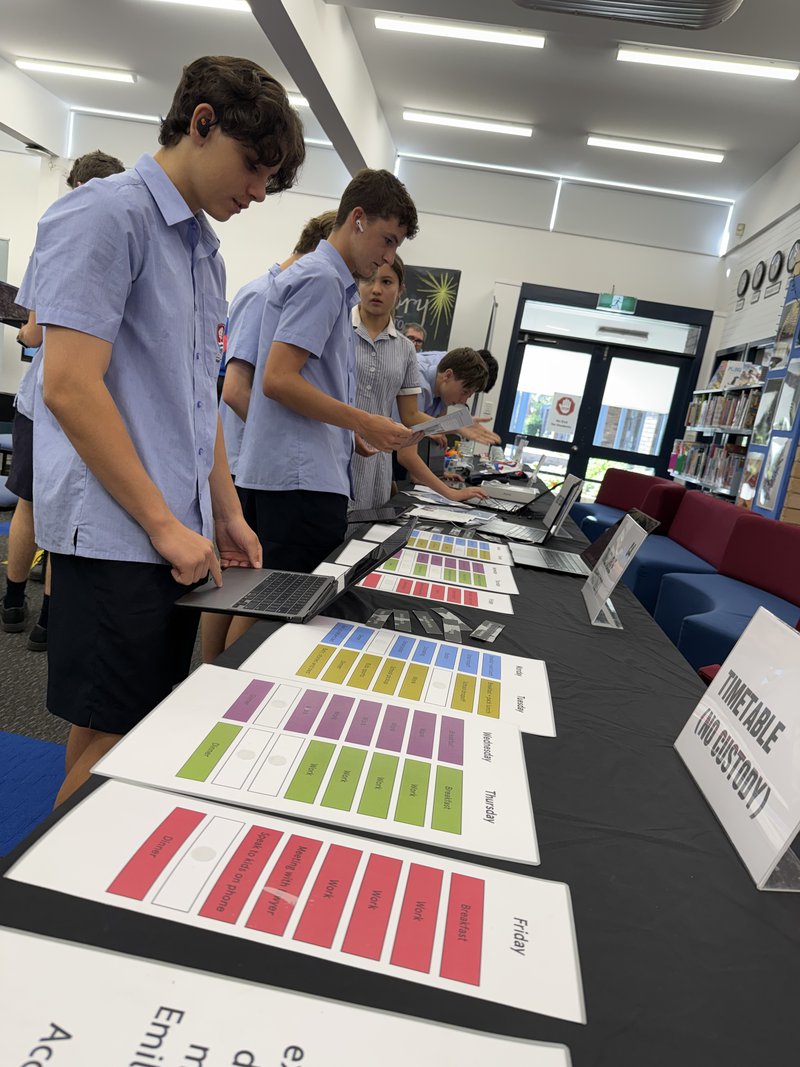
Recently our Year 10 cohort participated in the Beyond These Walls program, an initiative from Take Love (the youth-ministry arm of Anglicare) designed to help young people understand what life can be like for those facing poverty and disadvantage in Australia.
Student report: Duke of Ed Bronze hike in the Blue Mountains
Student report: Duke of Ed Bronze hike in the Blue Mountains
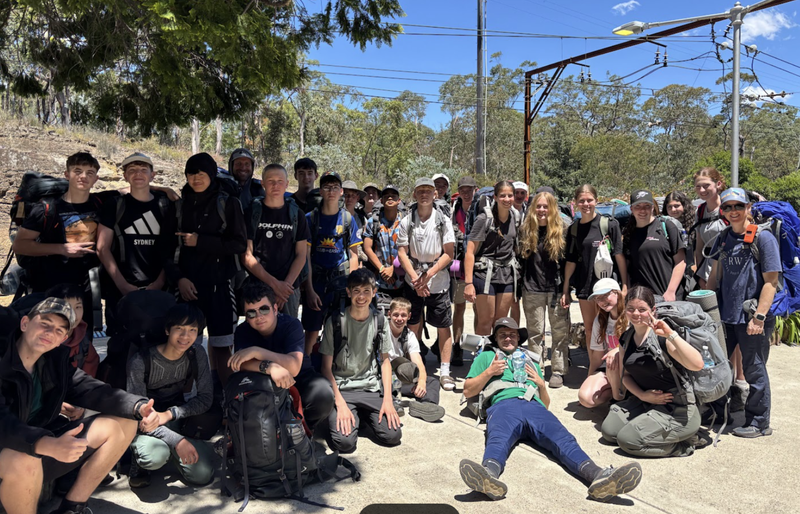
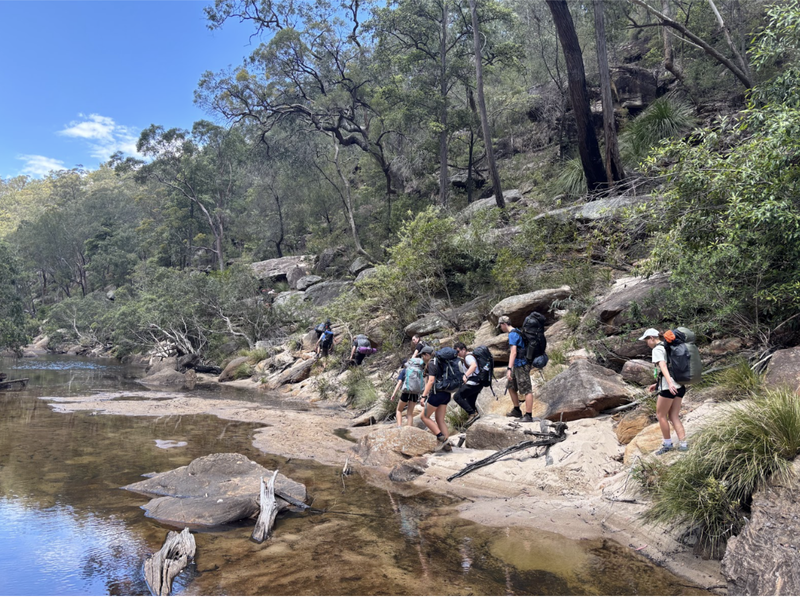
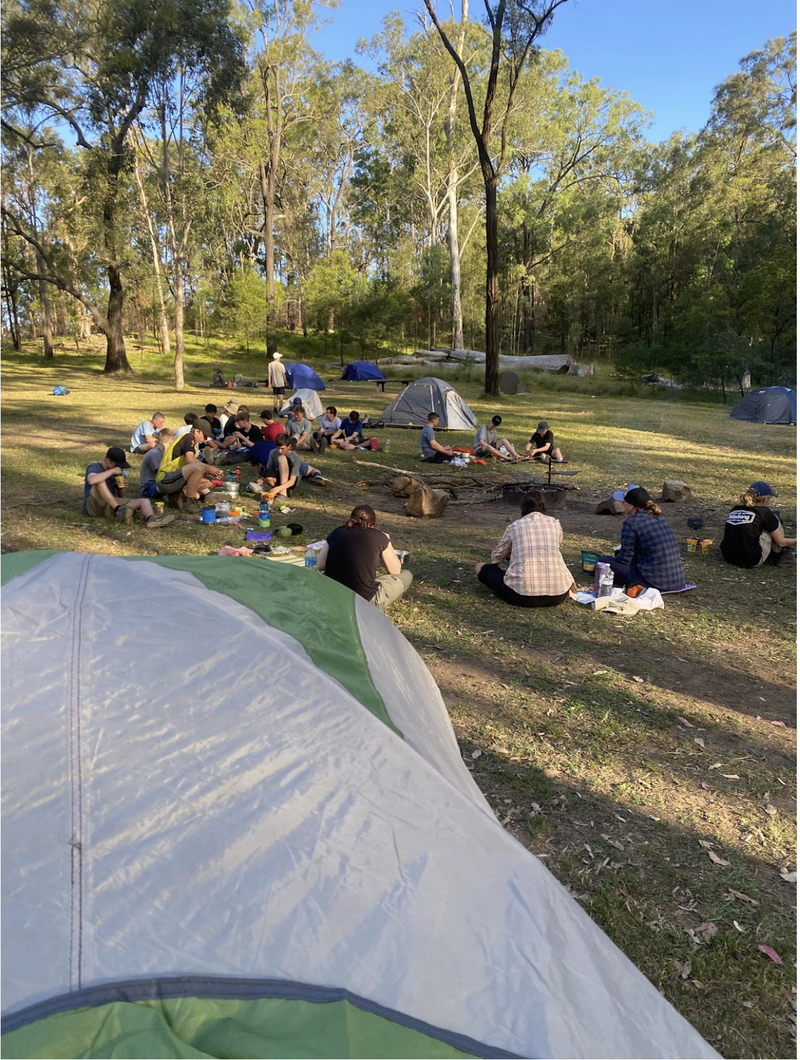
Last month 30 Year 9 students went on their qualifying Bronze Duke Of Edinburgh hike. Some of us were beyond enthusiastic and excited about the adventure ahead, while others were a little more nervous about the hike.
Miners and Settlers on Gold Fields Day
Miners and Settlers on Gold Fields Day

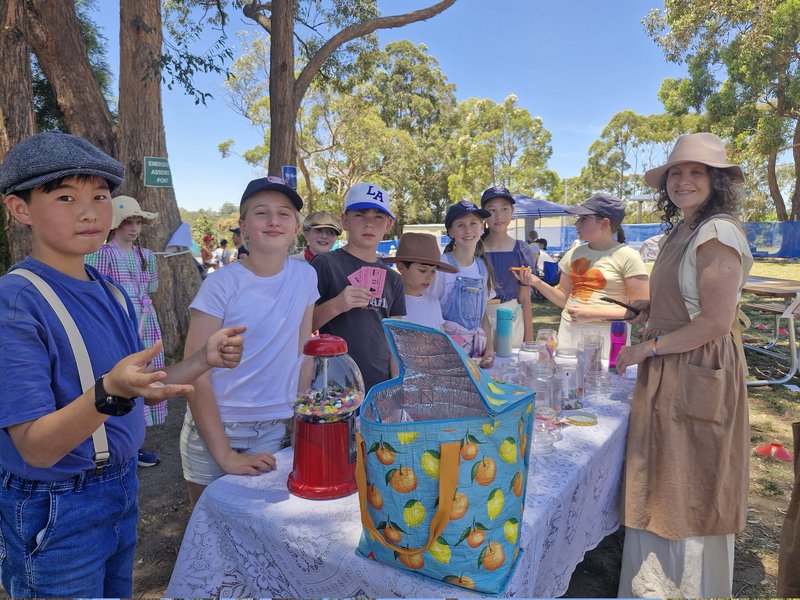
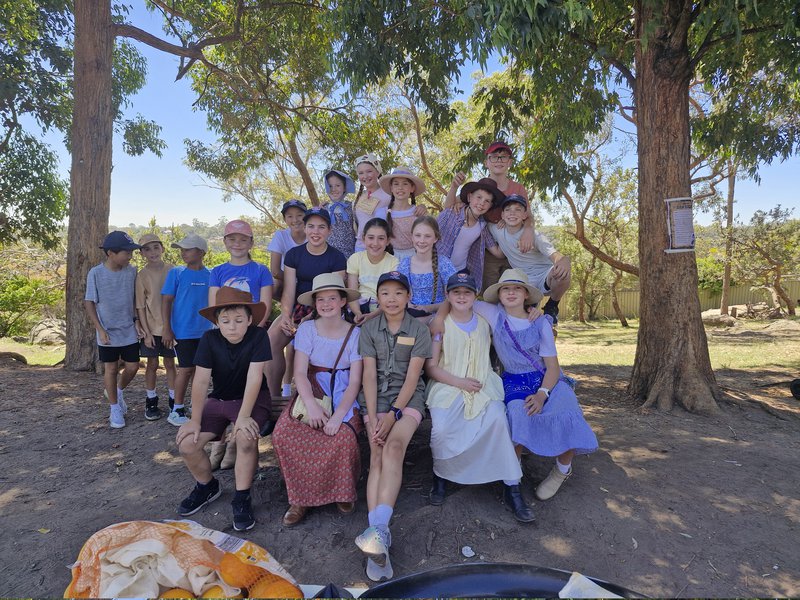
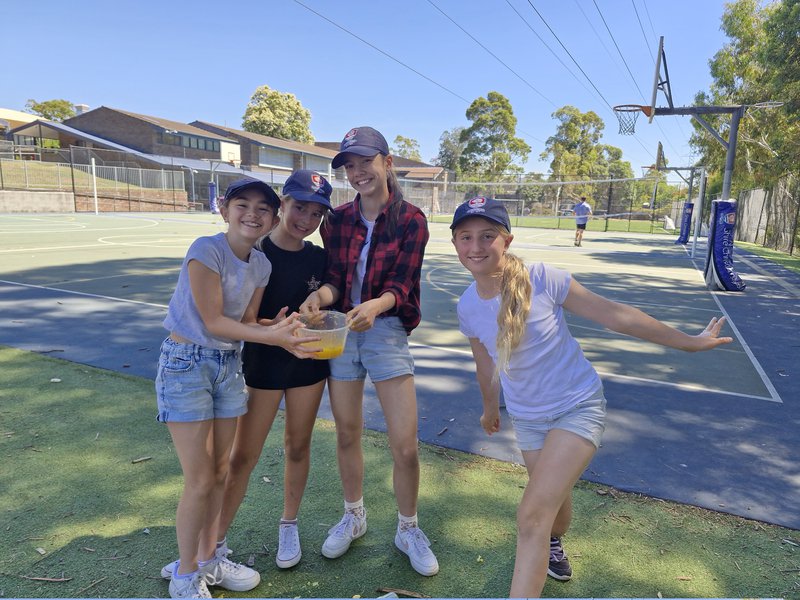
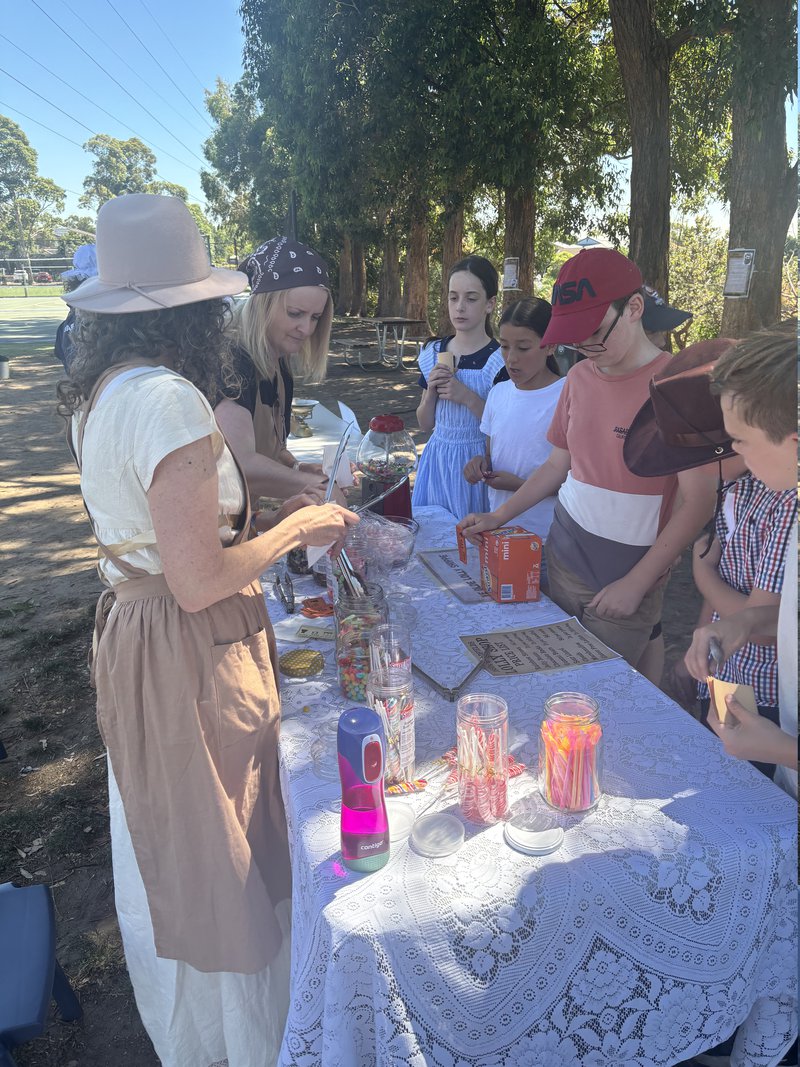
As part of our History unit, students engaged in a hands-on immersive experience simulating life on the Australian goldfields for miners and settlers during the 1850s.
Language learning in action: Year 8 teach German to Kindy
Language learning in action: Year 8 teach German to Kindy
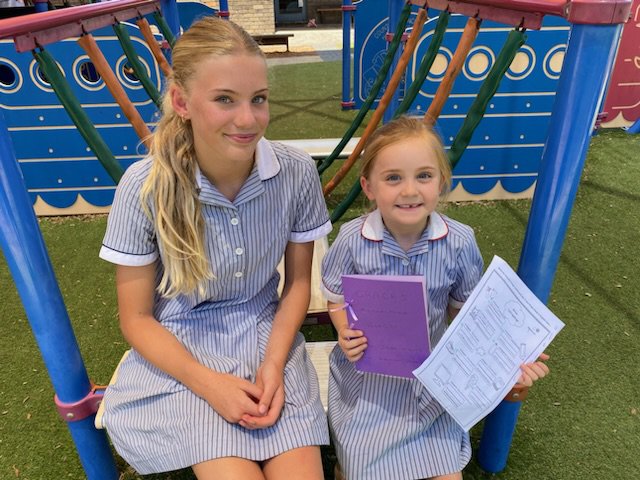
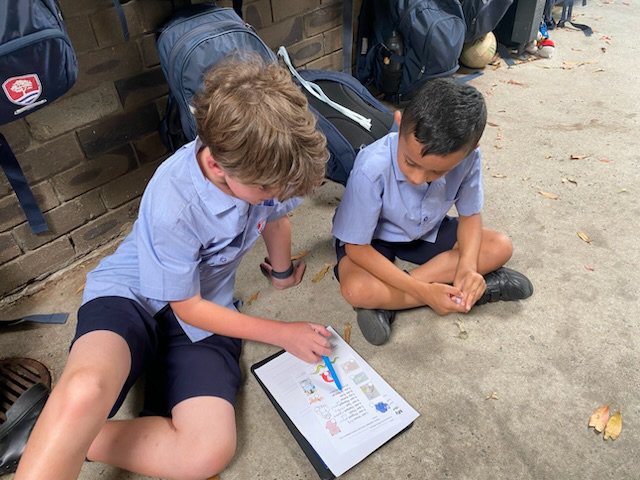
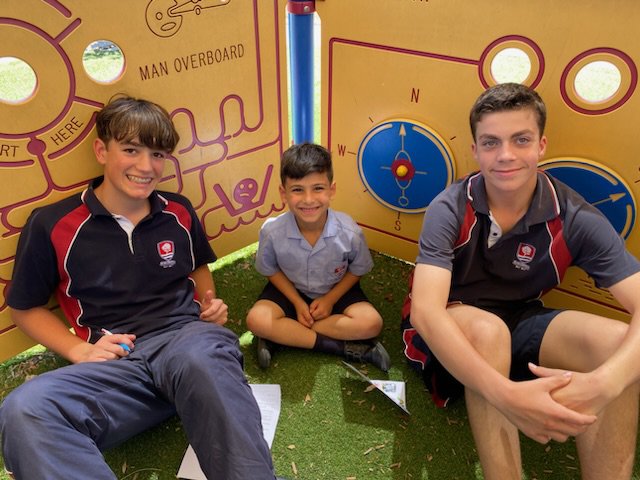
The last few weeks of German for Year 8 have been a busy time! The students have spent some time getting to know a child in Kindergarten and have taught them a few German words.




Sport
Alexander Crowned Australian Kumite Champion
Alexander Crowned Australian Kumite Champion
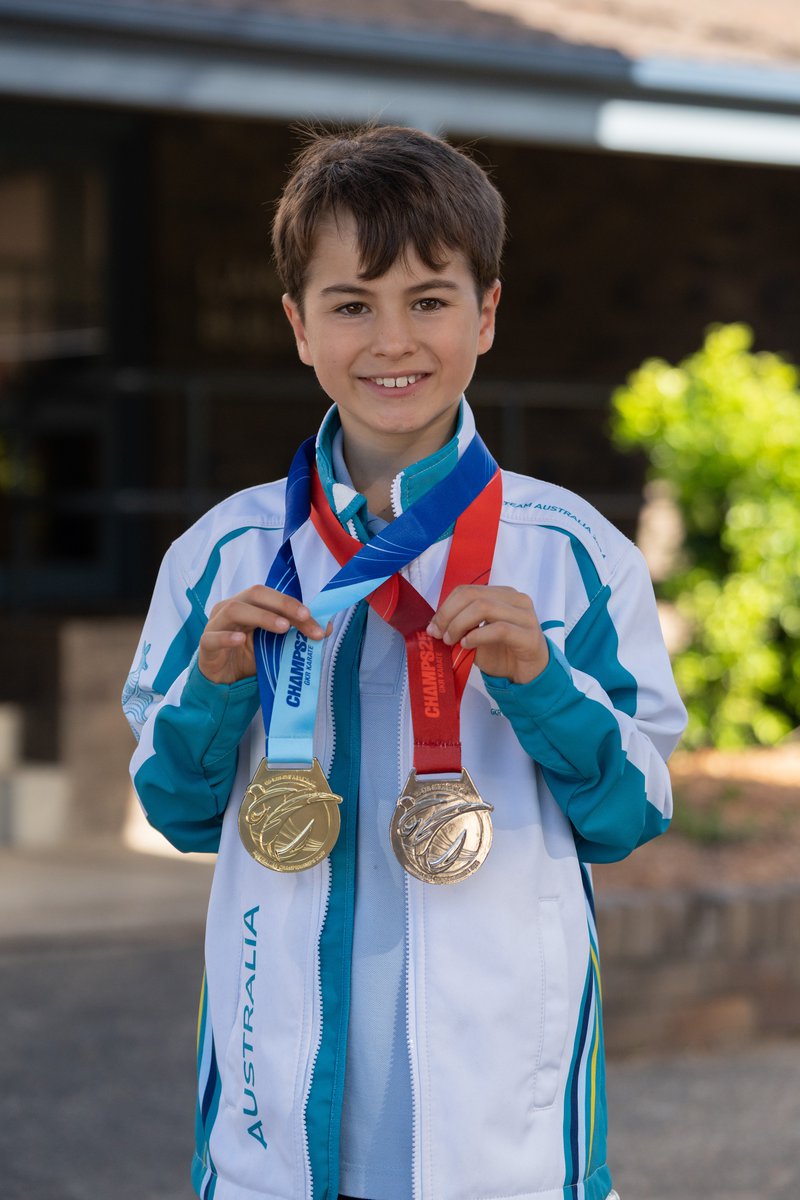
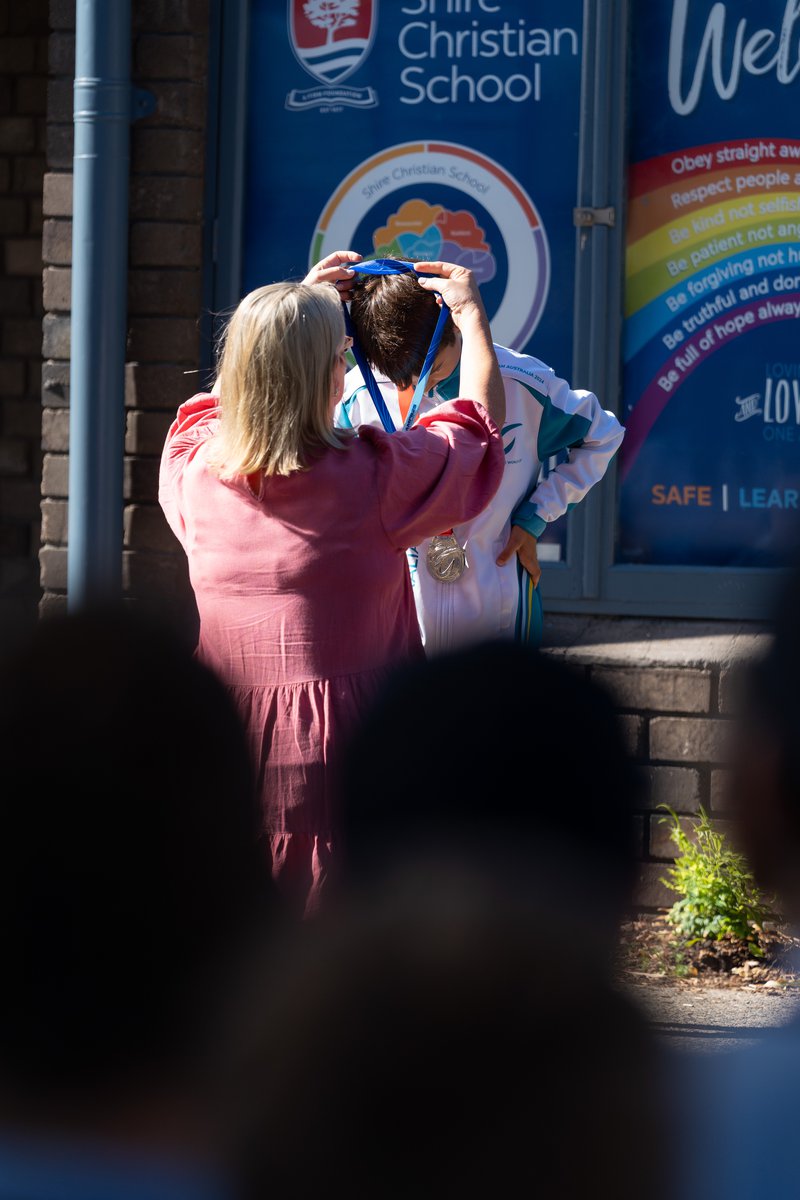
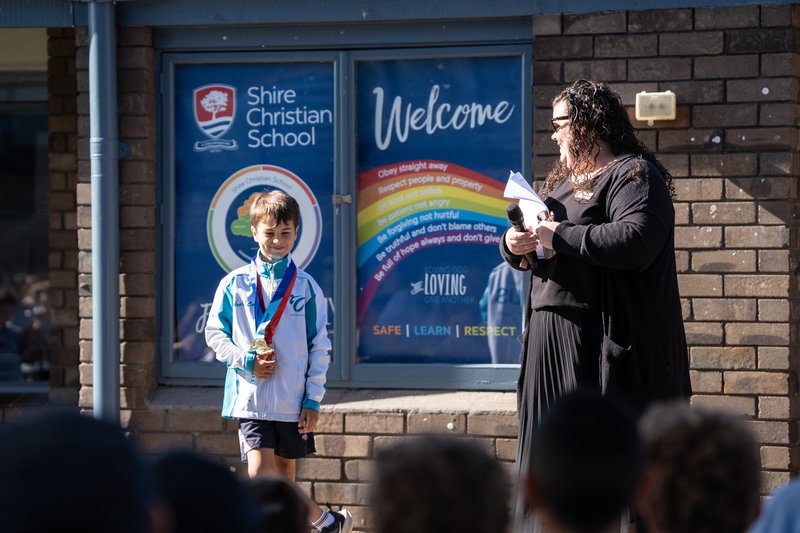
Last Saturday in Melbourne, Alexander competed at the National Karate Championships against 40 skilled boys and girls aged 8-9. His dedication and hard work paid off in spectacular fashion – he secured a silver medal in Kata and a gold medal in Kumite (non-contact sparring), earning the title of Australian Champion in Kumite!
From the Counsellors
The Parenting Advice I’m Ignoring – Dr Justin Coulson
The Parenting Advice I’m Ignoring – Dr Justin Coulson
We’ve all heard parenting advice that sounds good… until we try it. Whether it’s from well-meaning family members, social media influencers, or even parenting books from decades past, there are ideas floating around that simply don’t stack up - either with the research, or with what we know from experience builds strong, connected families. So today, six pieces of parenting advice that I’m choosing to ignore - and that I believe all of us would do well to leave behind. These are ideas that not only miss the mark but can actively harm our connection with our children.

Barnabas Blog
A Light Has Dawned
A Light Has Dawned

In all the busyness and pressure that comes upon us at the end of another academic year and in the lead up to Christmas, let us not fail to be strengthened and encouraged by true message of Christmas.
Notices
Volunteers Morning Tea


Subway available to order on Mondays and Fridays
Subway available to order on Mondays and Fridays
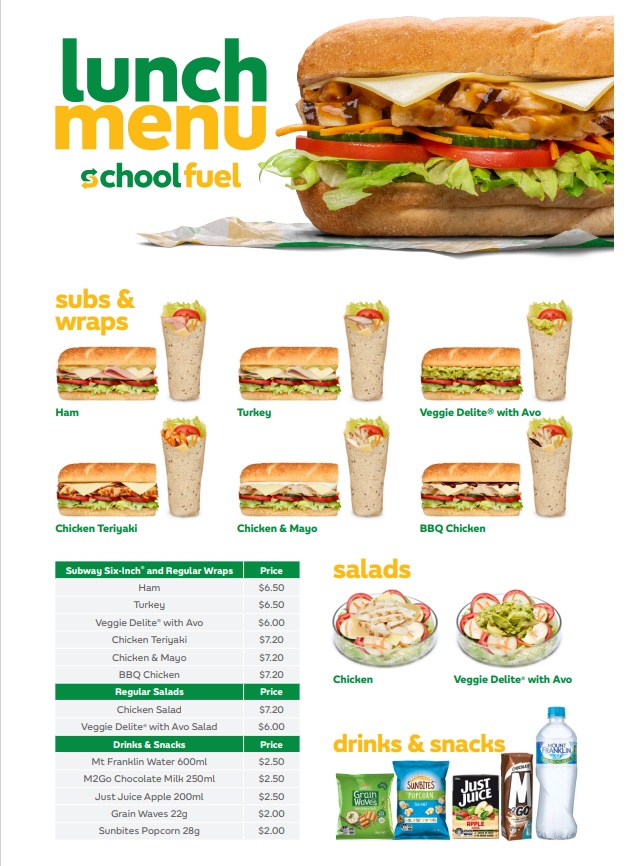
Available on both Mondays and Fridays during term time, a select range of healthy lunch options from Subway is on offer, delivered to the school in time for Break 2.
Uniform Shop – Year End
Uniform Shop – Year End

Ranier Schoolwear end-of-year closure and re-opening dates:
2025 last day of trading: Saturday 20th December
2026 first day of trading: Monday 5th January
Edstart - an alternative fee payment option
Edstart - an alternative fee payment option

Shire Christian School is pleased to offer an alternative payment option to assist families with managing their school fee payments.
Edstart helps make it easy for you to manage school fees by providing flexible payment plans. You can reduce your annual school fee spend by extending payments over a longer period.
Community
Shire Christian School Business Directory
Shire Christian School Business Directory

We are pleased to provide a directory of businesses with family or alumni connections to Shire Christian School (businesses of current parents, former parents, former students).
The directory is available on our website and will continue to become more useful over time as families register their businesses.